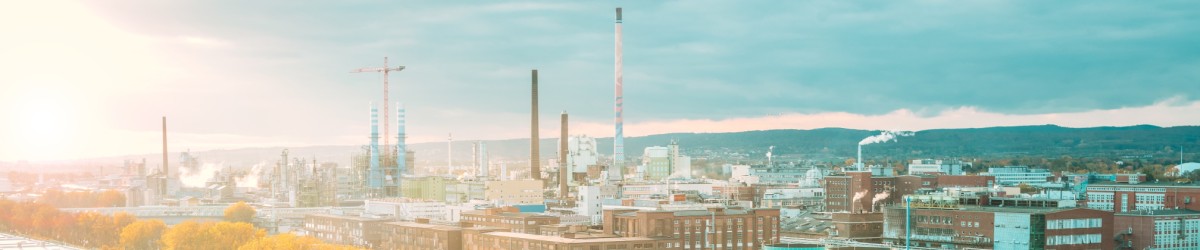
Energy production with refuse-derived fuel
Technical details
CombustionCapacity 675,000 t/a
Temperature > 850° C
Processes
- Internally circulating fluidized bed
- Number of combustion lines: 3
- SNCR (ammonia)
Heat-recovery steam generator
Steam generation 250 t/h
Electricity generation 70 MW
Flue-gas treatment
- Two-stage per line
- Spray absorber (lime slurry), baghouse (entrained-flow adsorption with carbon)
Start-up 2010
Compliant energy recovery from commercial and municipal waste
Infraserv Höchst's integrated waste-management system is launching a brand-new way of recycling refuse: The waste-to-energy plant (WTE plant) will efficiently and compliantly dispose of high-calorific-value constituents of commercial waste and non-recyclable municipal waste, also known as refuse-derived fuel. This fuel, also known as RDF, consists of pre-sorted, dried and prepared high-heat-value fractions of municipal and commercial waste. This is exactly the type of waste that was banned from landfills as of June 1, 2005 under the Technical Instruction on Municipal Waste (TASi).
Your benefits: The waste-to-energy
plant is designed to handle a wide range of waste types. It offers high-reliability disposal with exceptional
availability thanks to its numerous delivery gates, five-day bunker and three combustion lines. Once
delivered, the refuse-derived fuel undergoes a multi-stage quality-control process in the plant.
Excellent
access to highways and a dedicated express gate will keep deliveries flowing smoothly.
Waste types
Dried, sorted and prepared high-heat-value fractions of commercial and municipal waste that were banned from landfills as of June 1, 2005 under the Technical Instruction on Municipal Waste (TASi).
From waste to quality-controlled refuse-derived fuel
Diagram of the waste-to-energy plant

Click
the diagram for a larger version (only available in German).
